

In recent years, the concept of smart homes has grown far beyond voice assistants and automated light bulbs. As homeowners lean into sustainability, green energy is no longer an add-on — it's baked into how we build and maintain our homes. One surprising yet critical area of that evolution? gas line installation and gas line repair.
Why Gas Lines Matter in Smart, Green Homes
Gas lines may feel old-school compared to solar panels or heat pumps, but they're far from obsolete. Traditional natural gas infrastructure is increasingly being adapted for cleaner fuels like biogas and hydrogen. Rather than ripping out entire systems, many gas companies are upgrading or blending greener gases into existing pipelines.
Why is this significant for a smart home? Because it means your future gas heating, cooking, or hot water system could rely on low-carbon gas — quietly and efficiently — while still using the same basic infrastructure.
How Gas Line Installation Is Changing: Trends You Should Know
1. Green Gas Integration (Hydrogen and Biogas)
One of the biggest shifts is the integration of hydrogen and biomethane (biogas) into traditional gas networks. Hydrogen blending is increasingly explored — up to 20% H₂ by volume in existing natural gas pipelines is already being studied.
Researchers and gas utilities are making modifications so that gas lines installed today can safely carry these greener blends — without compromising safety or durability.
This “power-to-gas” pathway — converting surplus renewable electricity into hydrogen and injecting it into gas lines — helps store energy seasonally and makes the grid more flexible.
2. Modern, Eco-Friendly Piping Materials
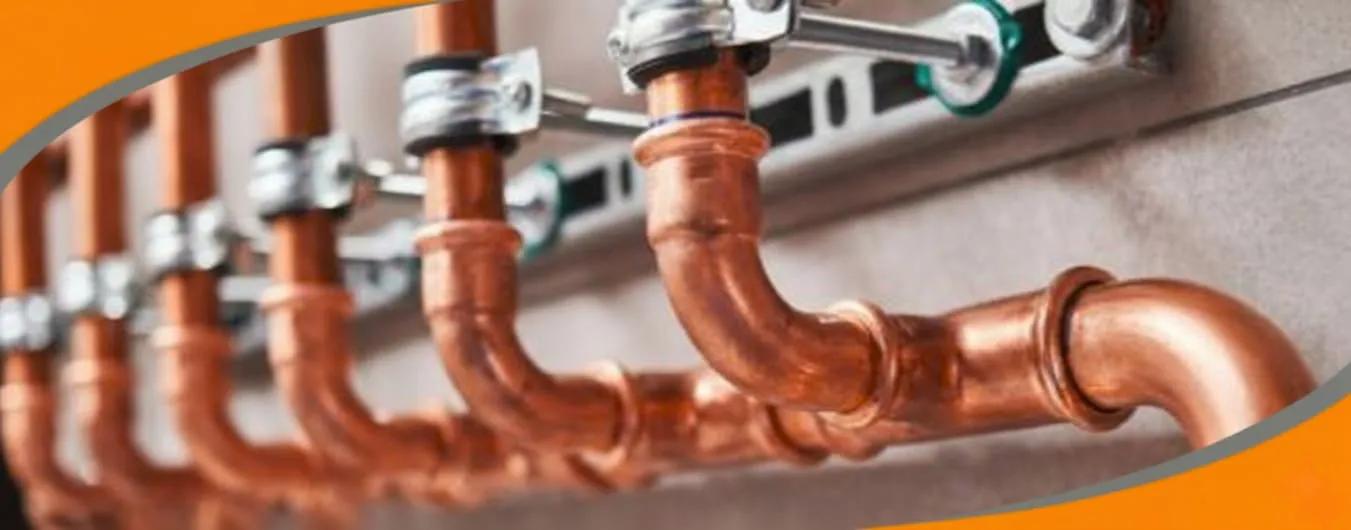
Traditional steel gas pipes are being replaced or retrofitted with materials better suited for the future. According to recent trends, Corrugated Stainless Steel Tubing (CSST) and Polyethylene (PE) piping are gaining traction.
These materials are more resistant to corrosion, more flexible, and safer for long-term use — particularly when gas blends change. The shift not only reduces maintenance costs but also improves safety and performance in smart-metered homes.
3. Smart Monitoring & Leak Detection
Another major advance: smart sensor systems for gas pipes. Companies are now embedding real-time gas pressure monitors, automatic shutoff valves, and leak-detection sensors into home infrastructure.
These systems can be integrated into your smart home hub or connected to mobile apps. If a leak is detected, alerts can be pushed to your phone, and valves can shut off before things go wrong — adding a serious layer of safety.
4. Regulatory Upgrades and Safety Standards
As gas grids evolve, regulations are catching up. Many countries are tightening standards for gas line installation to handle hydrogen or biogas.
Safety risk assessments, new certification requirements, and pressure/venting standards are making sure that as gas evolves, it remains safe for residential retrofits. For instance, studies show that up to a 20% H₂ blend can often be accommodated on existing infrastructure with minimal changes.
Gas Line Repair in the Age of Green Gas
With these innovations come new challenges — and new repair paradigms. Here's how gas line repair is adapting:
- Hydrogen Compatibility: Repairing lines that may carry hydrogen or hydrogen/natural gas blends demands special considerations. Hydrogen can cause embrittlement in certain metals, so repair work often needs to use hydrogen-compatible materials or coatings.
- Smart Diagnostics: Thanks to smart sensors, maintenance teams can now detect irregularities (like micro-leaks or pressure drops) remotely, before they become major hazards.
- Modular Repairs: Prefabricated modular piping components reduce downtime and make repair work faster, safer, and more consistent.
- Regulatory Compliance: Maintenance and repair firms are increasingly required to certify that their fixes are compatible with greener gas blends and future-proofed against industry shifts.
Smart Homes & Energy Management: Why Gas Still Fits
You might wonder, “If I have solar panels or a heat pump, why do I even need a gas line?” That's a good question. In green smart homes, gas often plays a complementary role rather than a competing one.
- Reliability: During peak demand or low solar generation (e.g., cold evenings), gas systems offer stable backup.
- Seasonal Storage: Through power-to-gas, renewable electricity (e.g., from wind or solar) can be converted and stored in the gas network as hydrogen.
- Efficiency: Modern gas appliances combined with smart thermostats are more efficient — especially when connected to smart meters and home energy management systems.
- Reduced Carbon Footprint: As more homes shift to biomethane or hydrogen, gas consumption could become vastly cleaner. Low-carbon gases may dominate future use, helping decarbonize heating and cooking.
People Also Ask: Smart Homes, Gas Lines & Green Energy
Here are some of the common questions people are asking — and how these trends answer them.
Can you install a gas pipeline in a smart home?
Yes — and it's becoming more future-ready. Modern pipeline installation supports advanced materials like PE and CSST, plus smart sensors for monitoring. Installation now often anticipates green gas integration (like hydrogen or biogas), making your gas setup smarter and more sustainable.
Is gas line repair changing because of green energy?
Absolutely. Repair strategies are now accounting for hydrogen compatibility, remote diagnostics, and modular components. Traditional repair was reactive; today, it's proactive, using IoT-based leak detection and predictive maintenance.
Will future gas be clean?
Green gas is not just aspirational — it's underway. Utilities are blending hydrogen with natural gas (up to ~20%) in existing lines. There's also growing injection of biomethane (biogas) into gas networks. These shifts help reduce carbon emissions without scrapping infrastructure.
Is using a gas line still safe in smart homes?
Yes — and safety is improving. Smart detection systems can shut off gas automatically if a leak is detected. New materials reduce corrosion, and standards are being updated to safely handle green gas. Plus, regulators are tightening controls and safety assessments.
How do gas and renewable energy work together in a smart home?
They complement each other. Excess renewable electricity can feed into power-to-gas systems, converting it into hydrogen and storing it in gas pipelines. At the same time, gas systems provide reliable heating when solar or wind isn't available. Smart homes manage all of this seamlessly through home energy management systems.
Challenges and Risks Ahead
While the transformation is promising, it's not without challenges:
- Infrastructure Limits: Not all existing gas pipelines are suited for hydrogen. Some older pipes may need replacement or retrofitting.
- Material Degradation: Hydrogen embrittlement can affect certain metals, posing long-term durability risks.
- Cost: Upgrading to smart sensors, hydrogen-ready pipes, or sophisticated repair systems is expensive.
- Regulatory Lag: While standards are improving, the pace of regulation must match the pace of technology adoption.
- Public Perception: Some people remain skeptical about hydrogen's safety or cost, making adoption slower.
The Future: What Homeowners Should Expect
Looking ahead, here's how gas line installation and repair in smart, green homes will probably evolve:
Wider Hydrogen Adoption: As electrolyzer and hydrogen production capacity grows, we'll see higher hydrogen blends (or even pure hydrogen) in household gas lines, especially in regions committed to decarbonization.
Universal Smart Monitoring: Gas systems in smart homes will nearly always include leak detection, pressure sensing, and shutoff valves integrated with your smart home hub.
Regulation-Driven Upgrades: Building codes and safety standards will increasingly mandate hydrogen compatibility, leak-detection, and periodic inspections.
Hybrid Energy Systems: Homes will increasingly run on a mix — solar panels, heat pumps, and hydrogen-ready gas systems — with smart energy management coordinating all of them.
Circular Carbon Systems: Power-to-gas will help seasonal storage; surplus renewable energy will convert to hydrogen, feed into pipelines, and later feed homes or power plants.
Key Takeaways
- Gas line installation is no longer just about natural gas — it's evolving for green gases like hydrogen and biogas.
- Gas line repair now involves smart diagnostics, hydrogen-safe materials, and proactive maintenance.
- Smart homes benefit from the reliability and flexibility of gas, while also playing a role in decarbonization.
- The future calls for hybrid energy systems, combining renewable electricity with gas networks for safe, resilient, and greener heating.
- Regulatory, technical, and cost challenges remain — but the trajectory is clear: gas infrastructure is not being abandoned; it's being reinvented.
In short, smart homes and green energy are reshaping how we think about gas. Rather than phasing out gas lines, we're upgrading them — making them smarter, safer, and more sustainable. If you're considering a new installation or repair, it's worth asking your service provider how ready your system is for green gas — because that's where the future of gas is headed.